Cheeses with character
Grana Padano PDO
Grana Padano PDO aged eleven months, from raw milk. A long flavour, of nuts and butter.
Content pending review
A long flavour, of nuts and butter, that stays with you well after the bite. And those tiny crystals you feel on the tongue: the signature of a cheese that has been given time.
Eleven months of patience
There is no shortcut. Grana Padano is made with raw cow’s milk, curdled, pressed and then left to age. Eleven months in which the cheese loses water, concentrates its flavour and forms those crystals. That is the whole process, and it is the same one it has been for centuries: what changes the result is not a new technique, it is the wait.
Protected Designation of Origin
Grana Padano PDO can only be made in one defined area of northern Italy, with milk from there and following rules that cover everything from what the cows are fed to the minimum ageing time. Every wheel is marked and checked. Without that seal, it is a different cheese.
From Lombardy, since the twelfth century
Cistercian monks in the Po valley began making it to preserve the milk they had left over. That is where the two halves of the name come from: grana for the texture, padano for the Po plain.
What makes it special
- Raw cow’s milk: partly skimmed, as the PDO rules require.
- Eleven months of ageing: the point where it has crystals but keeps its sweetness.
- Protected Designation of Origin: area, method and checks set by the consortium.
- Almost no lactose: the long ageing uses up nearly all of it.
On our Instagram we post recipes and ideas for making the most of it.
How to enjoy it
- Suggested pairing: a young red or a dry sparkling wine, to go with its milky, fruity notes.
- As an aperitif: in shards, with nuts, grapes or honey.
- On cheese boards: alongside cured meats, fruit and artisan breads.
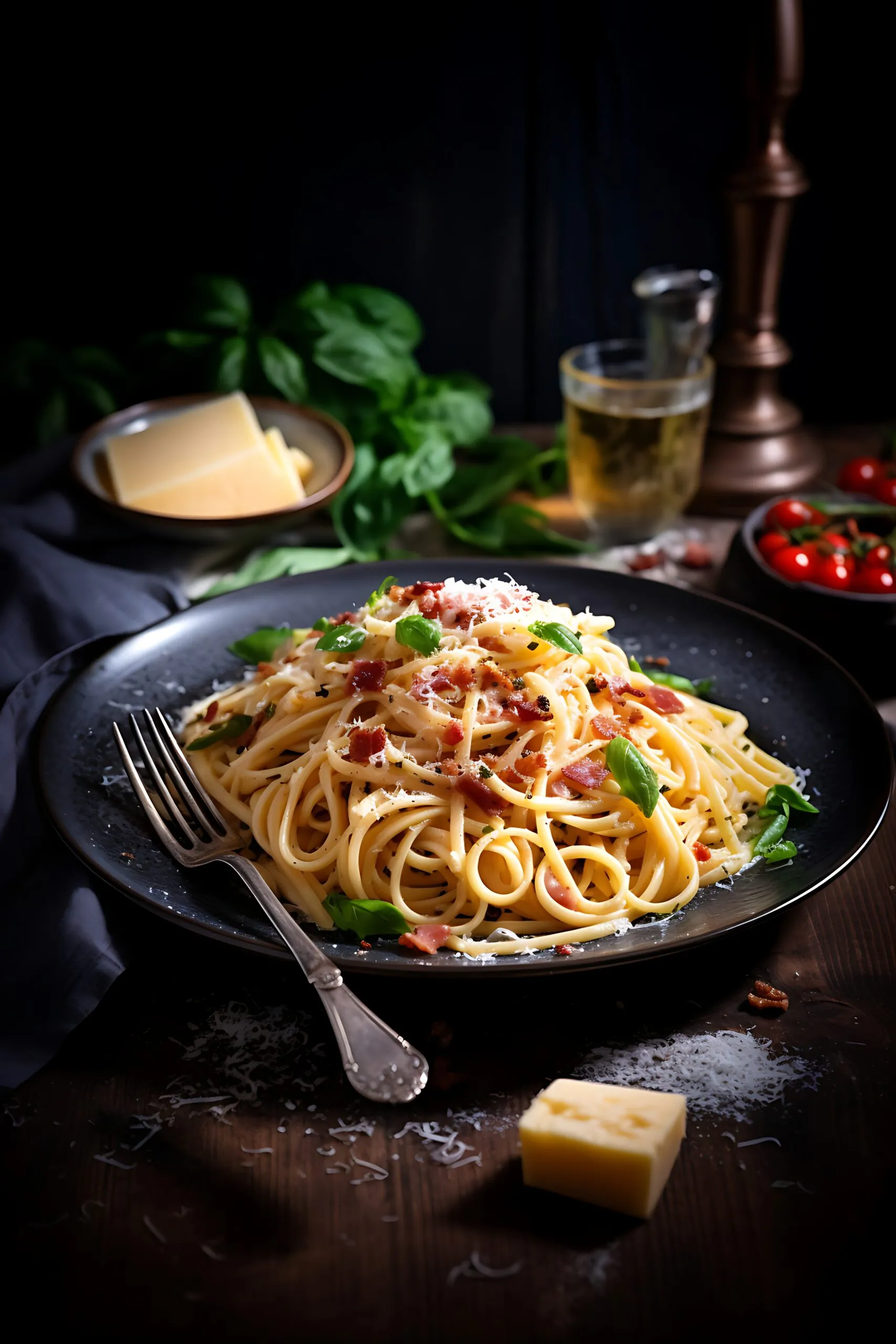
- Grated or in flakes: over pasta, risotto, salads or soups.
- In sauces: its deep flavour adds body to anything.
Frequently asked questions
Does it contain lactose?
It contains milk, but its nutrition table declares 0 g of carbohydrate, and in a cheese the carbohydrate is almost entirely lactose. Even so, it is not labelled as a lactose-free product.
Does it contain egg?
Yes. It uses egg lysozyme as a preservative, which is standard in Grana Padano PDO. It is declared as an allergen.
How long is it aged?
Eleven months. That is the point where it has developed the flavour and the crystals but still keeps some milky sweetness.
What does PDO mean?
Protected Designation of Origin. It sets the area, the method and the minimum ageing, and every wheel is marked and checked.
How should it be stored?
Refrigerated between 4 °C and 8 °C, wrapped so it does not dry out.